Press brake bending forms a flat sheet to an angle between a punch and a V-die. It looks simple, but the secret of a correct part lies before bending — in the flat length calculation.
Why does sheet stretch when bent?
The outside surface stretches and the inside compresses; between them lies the neutral axis, whose position is the K-factor. K = 0.5 means the middle; for mild steel it is usually 0.33–0.45.
Flat length
- Bend allowance: BA = π × angle / 180 × (R + K × T)
- Outside setback: OSSB = tan(angle / 2) × (R + T)
- Bend deduction: BD = 2 × OSSB − BA
- Flat length: sum of outside sizes − bends × BD
Use our bend allowance calculator instead of doing it by hand.
Choosing a V-die
The rule of thumb is a V opening of about 8 × thickness. A narrow die gives a smaller radius but needs more force; a wide die needs less force but increases the minimum flange length.
5 design tips
- Choose an inside radius close to thickness (R ≈ T).
- Keep holes at least 2 × T + R from the bend line.
- Make the shortest flange longer than half the V opening.
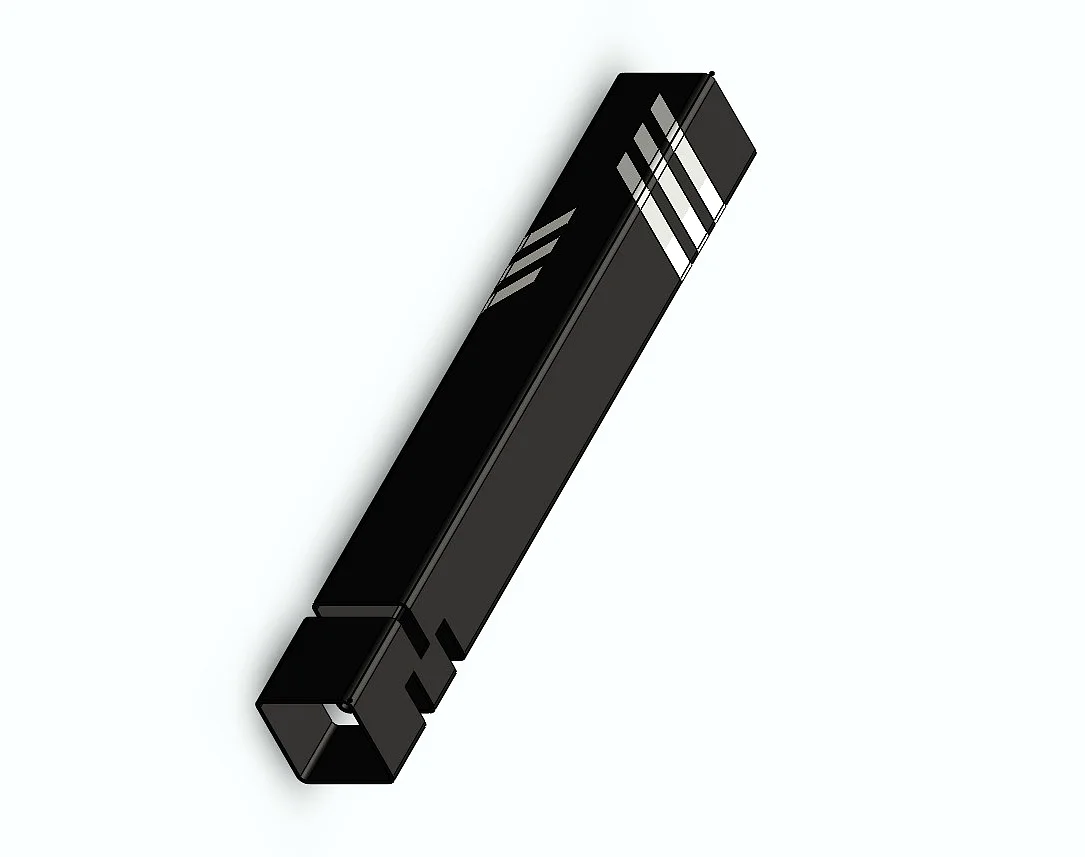
- Think about bend sequence on closed boxes.
- State material, thickness and angle tolerance on the drawing.
We bend 0.80–4 mm sheet and can plasma-cut it first in the same facility. See press brake bending.
Press brake bending in practice
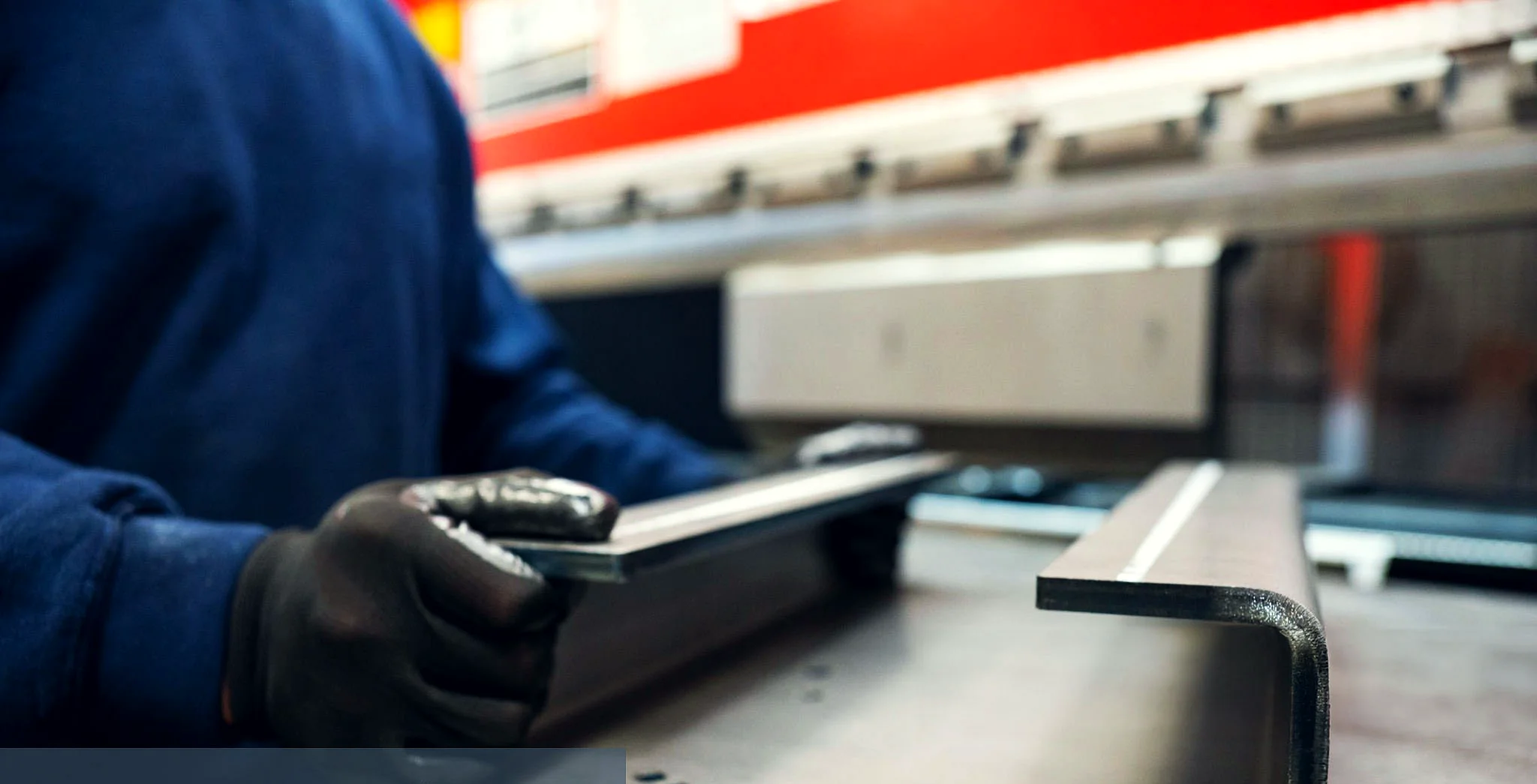
In press brake bending the sheet rests against a back gauge on the V-die and the punch presses it down; how far the punch travels sets the angle. On CNC press brakes the back gauge and punch positions come from the program, so every bend repeats exactly. This air bending method lets one die produce many angles, which keeps tooling costs down for small batches.