The most common question in metal cutting: “plasma or laser?” The answer depends on the part's geometry, thickness and use. As a supplier of both, here is a simple comparison.
Principle
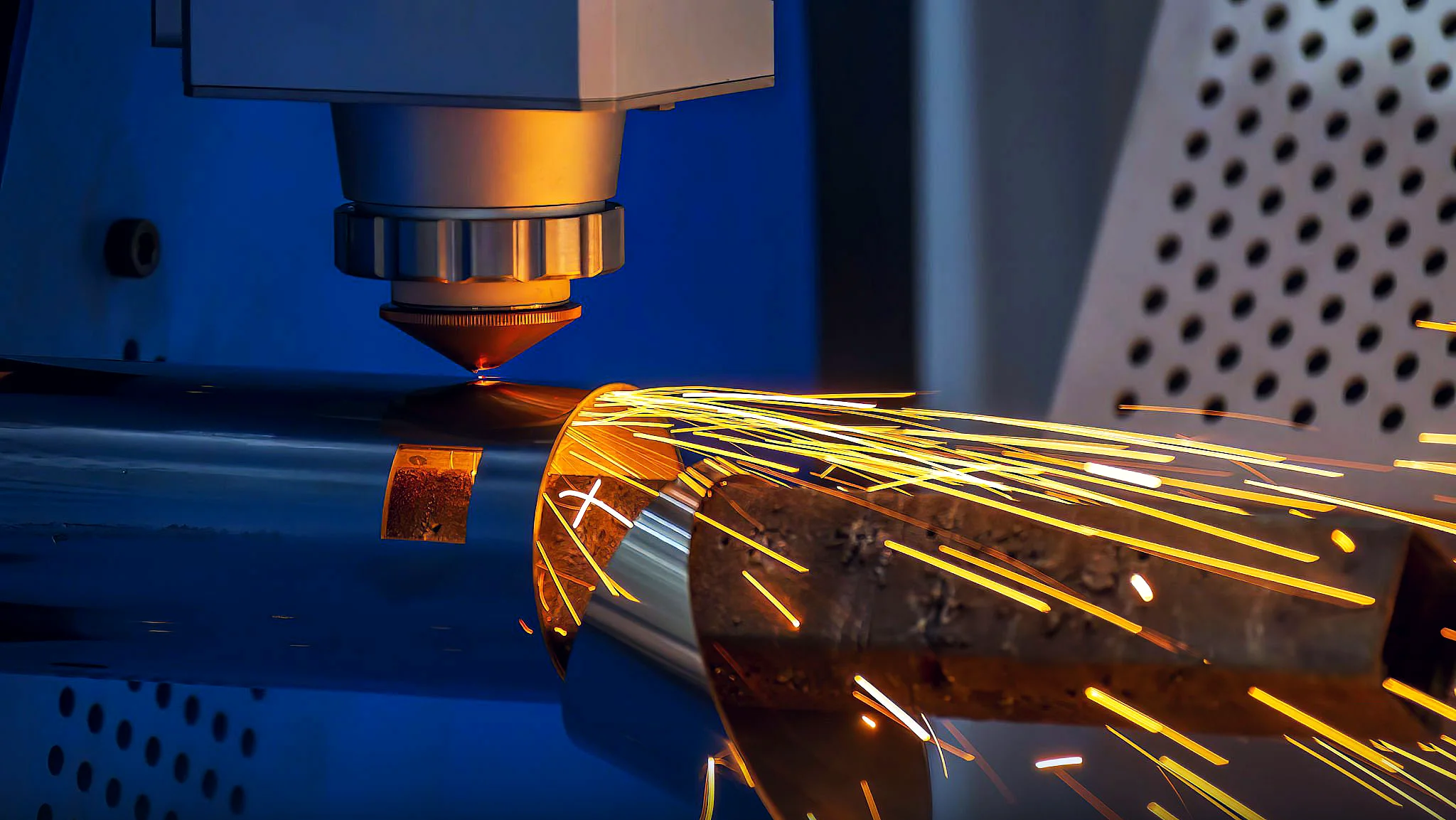
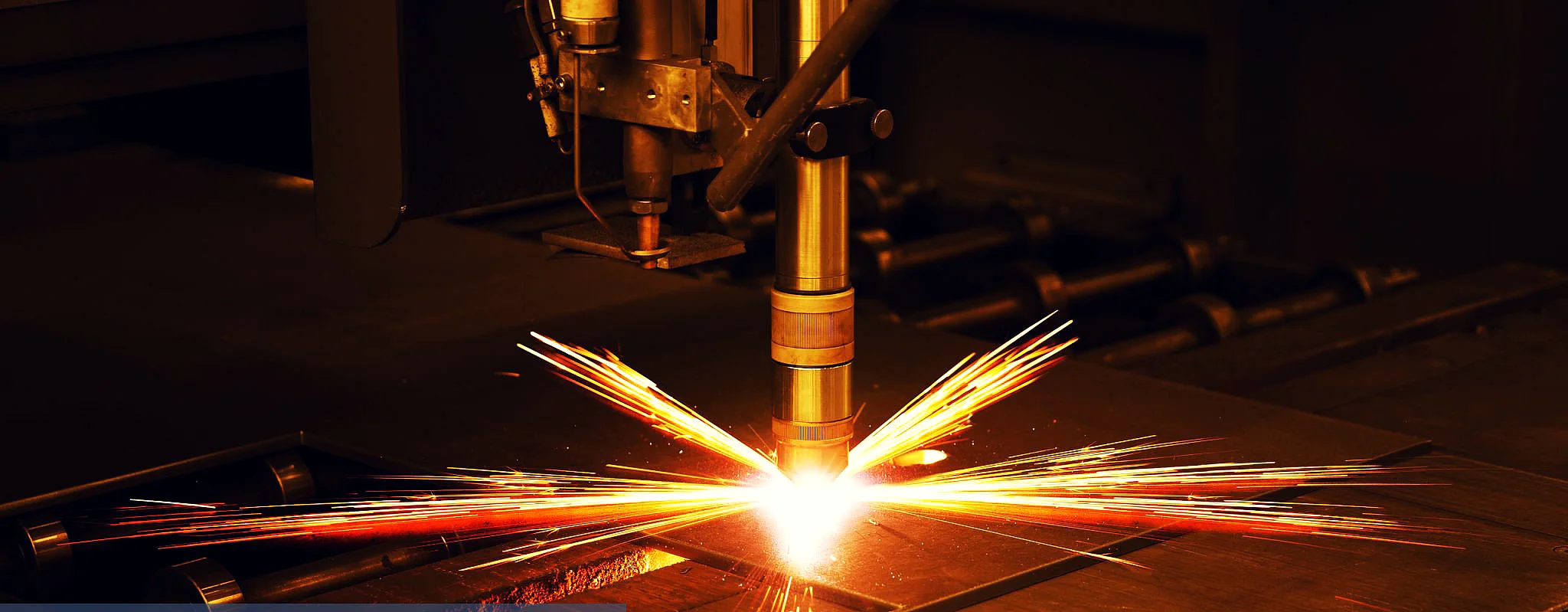
Plasma melts and blows away metal with gas ionised by an electric arc. Laser melts a very narrow zone with focused beam energy, giving a narrower kerf and smaller heat-affected zone.
Comparison
| Criterion | Plasma | Laser |
|---|---|---|
| Best for | Medium-thickness flat plate | Tubes, profiles, fine detail |
| Lazer Nokta capacity | 1.5–10 mm plate | Ø330 mm tube, 220 mm profile |
| Small holes and detail | Limited | Excellent |
| Kerf | Wider, slight bevel | Narrow and clean |
| Cost | Economical on thick flat parts | Saves operations on profiles |
Which for which part?
- Connection plates, flanges, base plates: plasma.
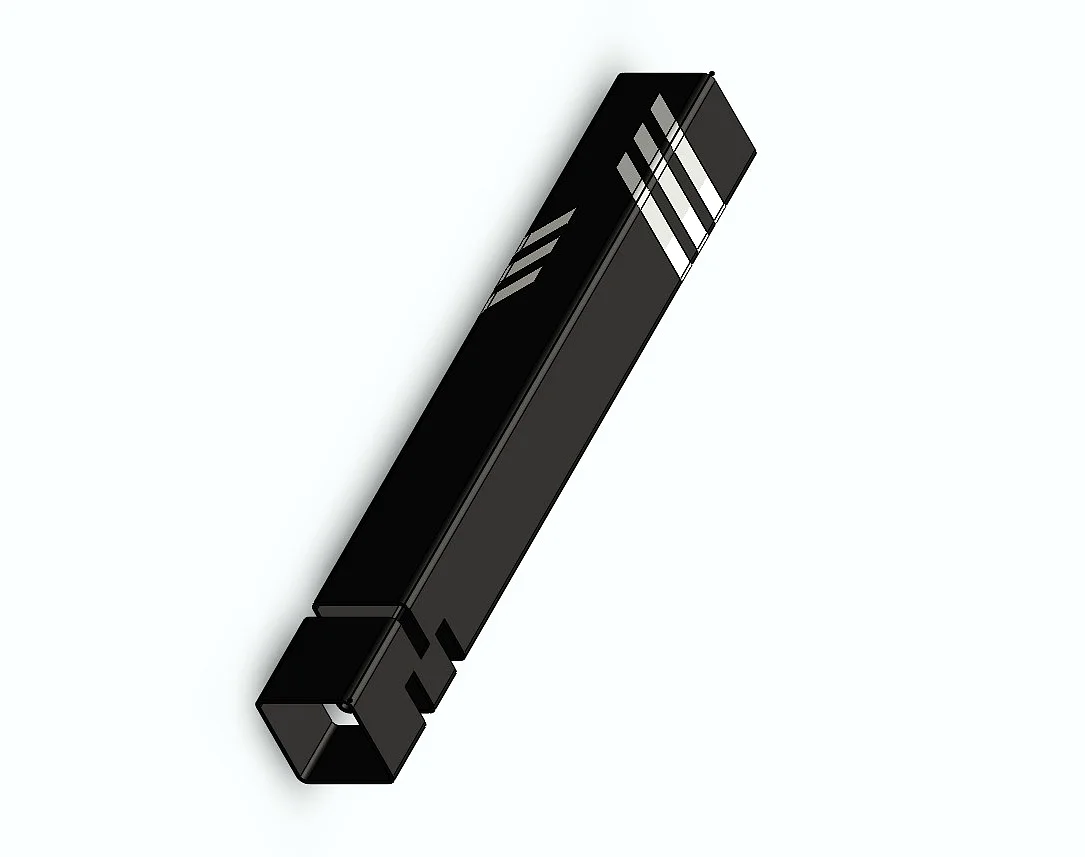
- Tube and box section parts: laser.
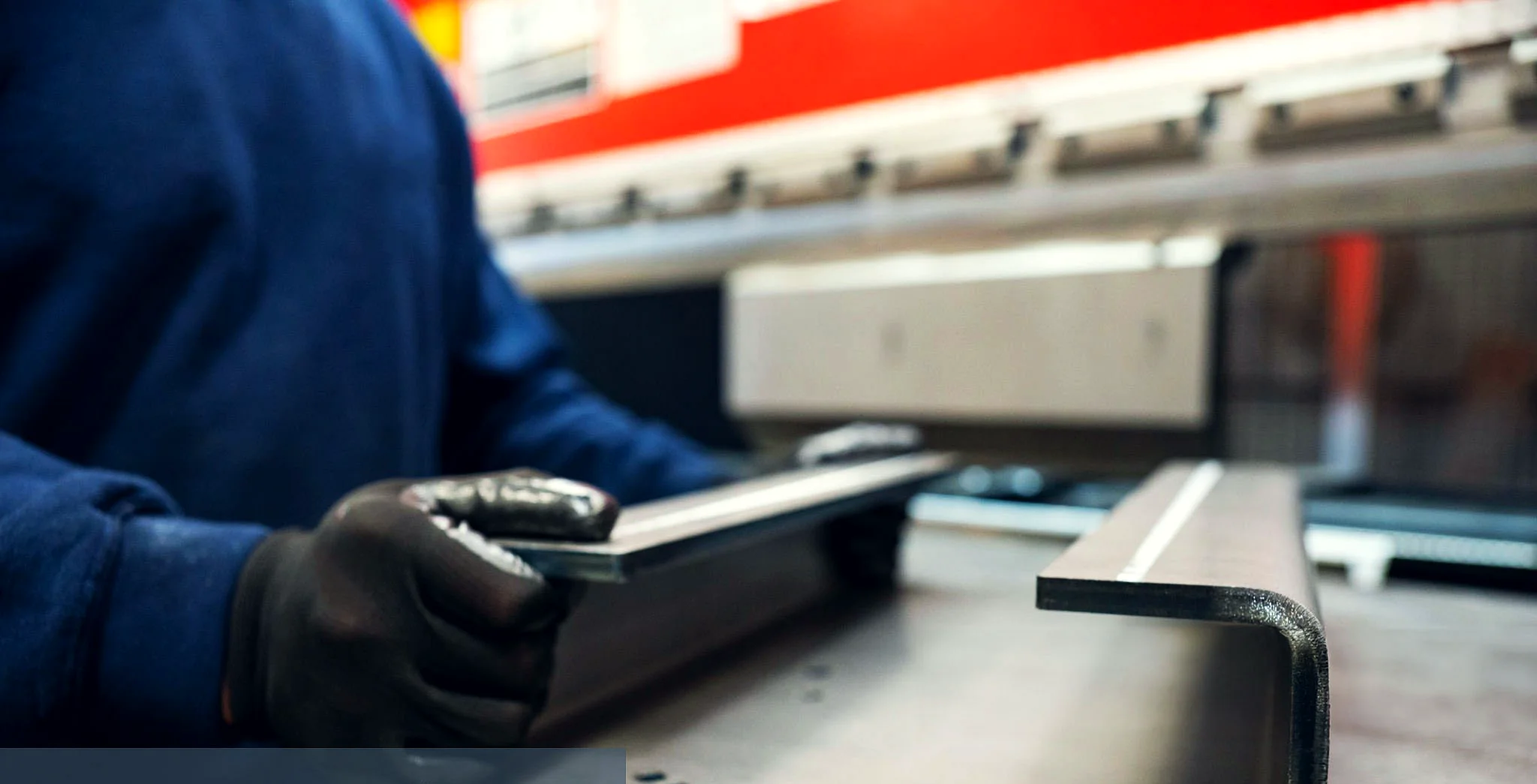
- Thin sheet to be bent: plasma cutting followed by press brake bending.
- Visible aesthetic details: laser.
Not sure?
Send your drawing and we will recommend the most economical method. With plasma and tube laser cutting in one facility, mixed part lists fit in a single order.
Plasma vs laser cutting: quality and tolerance
Plasma leaves a slightly bevelled edge and a wider heat-affected zone, which rarely matters on thick plates that will be welded. Laser cuts a squarer edge and small holes close to nominal size, which is decisive for bolted parts that must fit exactly. If a plasma-cut plate needs precise holes, drill them separately or move the part to the laser.
Where the cost difference comes from
Plasma has a lower hourly cost and cuts thick flat plate quickly. Laser saves money by removing operations: drilling, slotting and marking happen in the same program. When comparing plasma vs laser cutting per part, look at total labour, not cutting time alone. Send us your drawing and we will recommend the most economical method for each part.
Plasma vs laser cutting: quality and tolerance
Plasma leaves a slightly bevelled edge and a wider heat-affected zone, which rarely matters on thick plates that will be welded. Laser cuts a squarer edge and small holes close to nominal size, which is decisive for bolted parts that must fit exactly. If a plasma-cut plate needs precise holes, drill them separately or move the part to the laser.
Where the cost difference comes from
Plasma has a lower hourly cost and cuts thick flat plate quickly. Laser saves money by removing operations: drilling, slotting and marking happen in the same program. When comparing plasma vs laser cutting per part, look at total labour, not cutting time alone.